01 — Measure
Measure radon. Understand your building.
Would you like to assess your building, or do you already have a high result? We guide you towards suitable measurements. Our in-depth survey helps identify a radon problem, understand how it spreads and prepare solutions.
Describe my situation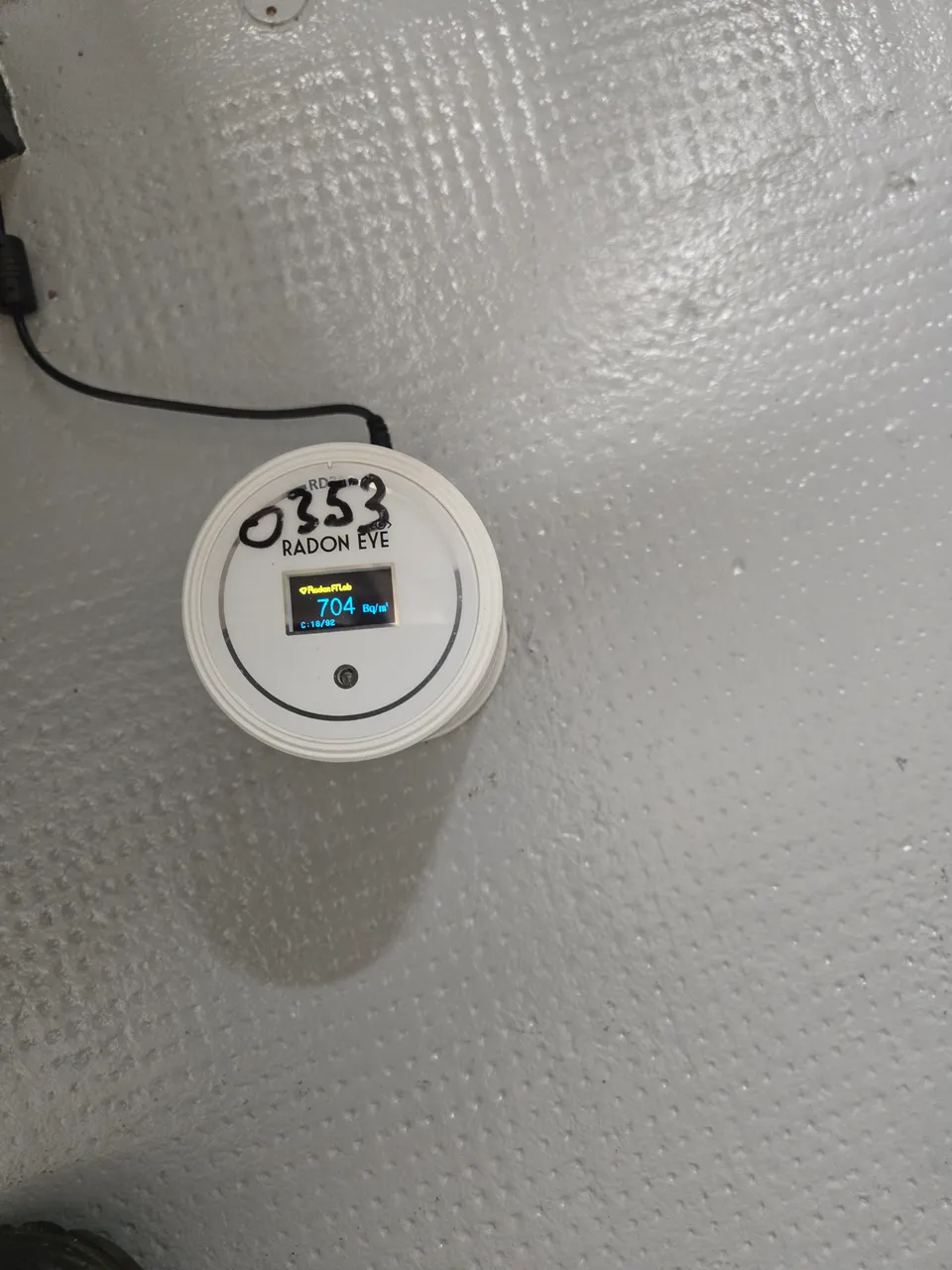
No measurements yet? Let’s start with your situation.
We assess radon potential based on the location and characteristics of the building: basement, ground contact, soil conditions, ventilation and room occupancy. We also take your planned work and timeframe into account.
- Few risk indicators and no urgency: provision of passive detectors for long-term measurement.
- Risk factors, planned work or a need for a prompt assessment: an in-depth survey over approximately one week to identify potential problems and anticipate solutions.
If passive detectors reveal high concentrations, a technical survey can then provide the basis for mitigation.
A high result? Let’s prepare for mitigation.
Have you received a measurement report or seen high concentrations on a monitor? Send us the available results. We review their context, duration and the rooms concerned to identify useful investigations.
The technical survey helps identify likely entry points and understand how radon moves between rooms. These findings form the basis of a mitigation proposal suited to your building.
Approximately one week to understand your building.
We install electronic monitors to take simultaneous measurements in all rooms and other spaces in contact with the ground. Depending on the building’s layout, additional measurement points are placed on upper floors.
- Installation and recording of context: building characteristics, room use and ventilation.
- Approximately one week of measurements: monitoring concentrations and their changes in each room fitted with a device.
- Combined analysis: comparing the readings over time to understand likely entry points and how radon spreads.
- Reporting: explained results, conclusions and recommended next steps.
Further investigations or tests may be proposed where necessary. The number of monitors and the scope of work are set out in the quotation.
After measurement, next steps guided by the results.
Your questions
Do I need to have measured radon already?
No. An initial discussion helps us assess your needs and suggest either passive detectors or an in-depth survey.
Why measure several rooms at the same time?
Comparing concentrations and how they change helps identify likely entry points and understand how radon moves through the building. Passive detectors provide an average for each location without recording these changes over time.
What happens if concentrations are low?
When concentrations are low during the survey, passive detectors can confirm the result over a longer period.
What if a recognised measurement is required?
The survey identifies problems and guides the choice of solutions. Where a recognised measurement is required, we incorporate it into the process.
Can I start without a building plan?
Yes. Describe the building and the rooms concerned. Plans, photographs and reports can be added later.
Further reading: FOPH — Measuring radon concentrations ↗
An initial discussion
What about yourbuilding?
A measurement, a result, a question. Let’s start there.